Think Like a Naturalist
Think Like a Naturalist
W. Carroll Johnson, III, PhD
Agronomist and Weed Scientist
The heart of good hunting isn’t just woodsmanship or stand placement. It’s curiosity. It’s slowing down long enough to notice the quiet details that most people walk past. It’s learning to think like a naturalist.
A Lesson From an Old School Naturalist
When I first joined the University of Georgia College of Agriculture faculty/staff deer hunting club—founded in 1925, a number that still makes me pause—I was young, confident, and thought I understood the woods. Then I met Loy Morgan.
Loy was a research entomologist and one of the most gifted naturalists I’ve ever known. Hunters are taught to read sign, but Loy interpreted the woods the way a scholar interprets literature. Tracks, stems, insects, soil—nothing escaped him. Simply being around him reshaped the way I approached the outdoors. He taught me that hunting isn’t just about deer; it’s about understanding the entire system that supports them.
Fast Forward 40 Years: A Harsh Texas Lesson
Decades later, I found myself hunting in south central Texas—a landscape Loy would have loved to study. In 2023, the ranch I hunt went 13 months without rain. The deer herd suffered. I saw a single fawn the entire week. Antlers were noticeably smaller, a direct reflection of mineral stress and poor forage quality.
Then, just a week before my trip, the skies finally opened. After more than a year of drought, the land responded instantly. Dormant seeds erupted to life. The landscape greened before my eyes.
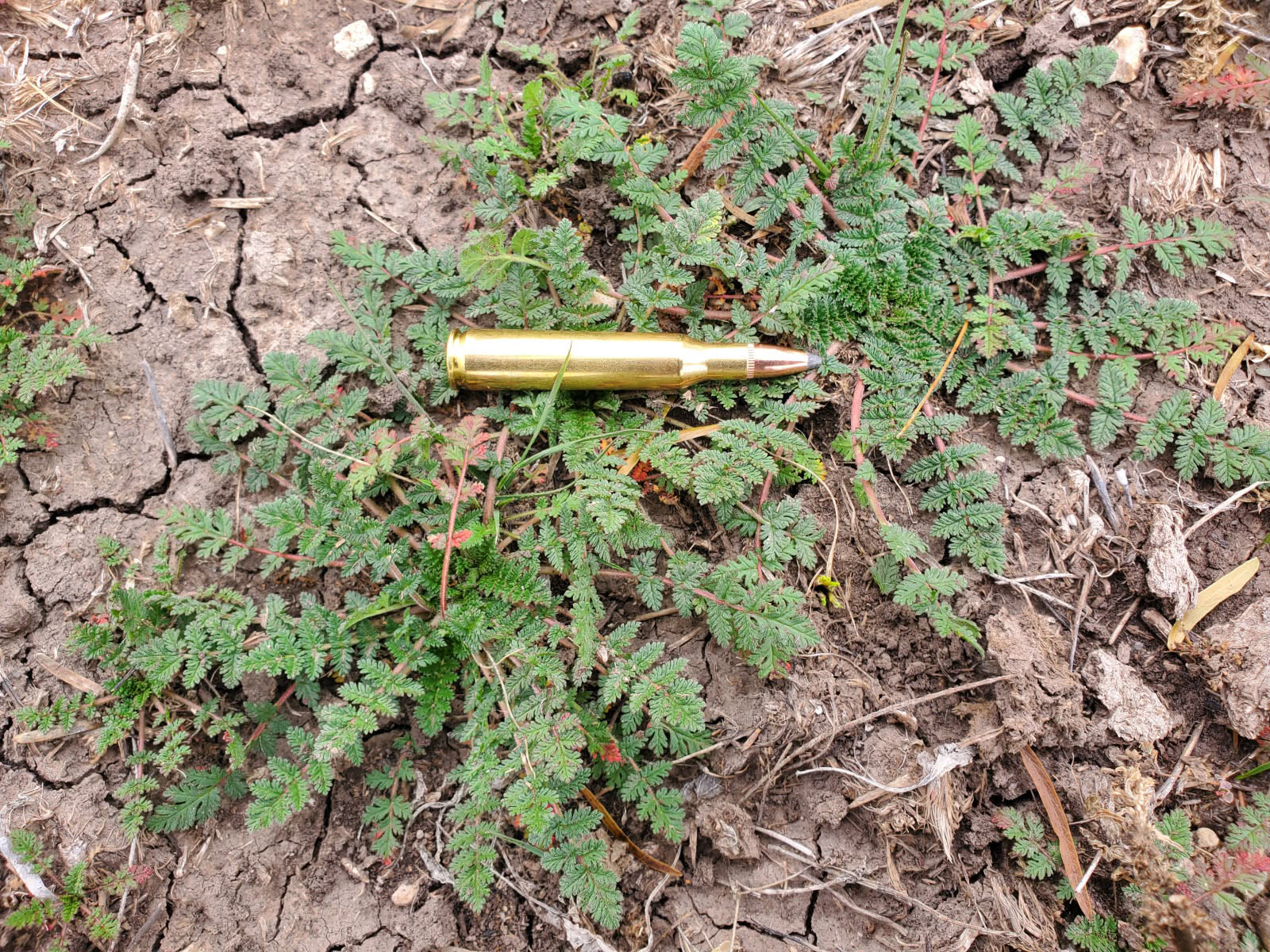
One plant dominated that flush of growth: redstem filaree. And the deer devoured it. By watching closely—by thinking like a naturalist—I learned something new about that ecosystem and the resilience of native plants.
This Isn’t a Food Plot Story… But It’s a Habitat Story
Food plots matter. But they’re only one piece of the habitat puzzle.
At Whitetail Institute, one of my roles is supporting our wildlife biologist, Jody Holdbrooks, who leads Next Level Consulting. Jody’s land management plans don’t start with food plots—they start with habitat. Native plants. Natural forage cycles. The ecological story of a property.
Between Loy’s early mentorship and Jody’s modern expertise, I’ve learned to pay attention to the plants that most hunters overlook. Those “weeds” are often critical forage, seasonal indicators, or clues about soil health.
Slow Down. Look Closer. Learn More.
If you take anything from this story, let it be this: Study the habitat where you hunt—especially the native plants, big and small.
When you do, you’ll understand deer movement better. You’ll recognize seasonal shifts earlier. You’ll become a more informed manager of your land. And you’ll see the woods the way naturalists do: as a living, interconnected system.
A Final Thought
Redstem filaree may seem like an obscure forb in south central Texas, but to the deer that rely on it, it’s a lifeline. And to a hunter willing to observe, it’s a lesson.