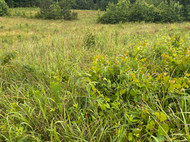
Managing Fallow Fields for Wildlife
Managing Fallow Fields for Wildlife
Jody Holdbrooks
Wildlife Biologist
From a wildlife biologist’s perspective, fallow fields provide some of the best habitat for deer, turkeys, quail, rabbits, pollinators, and songbirds when managed as early-successional habitat.
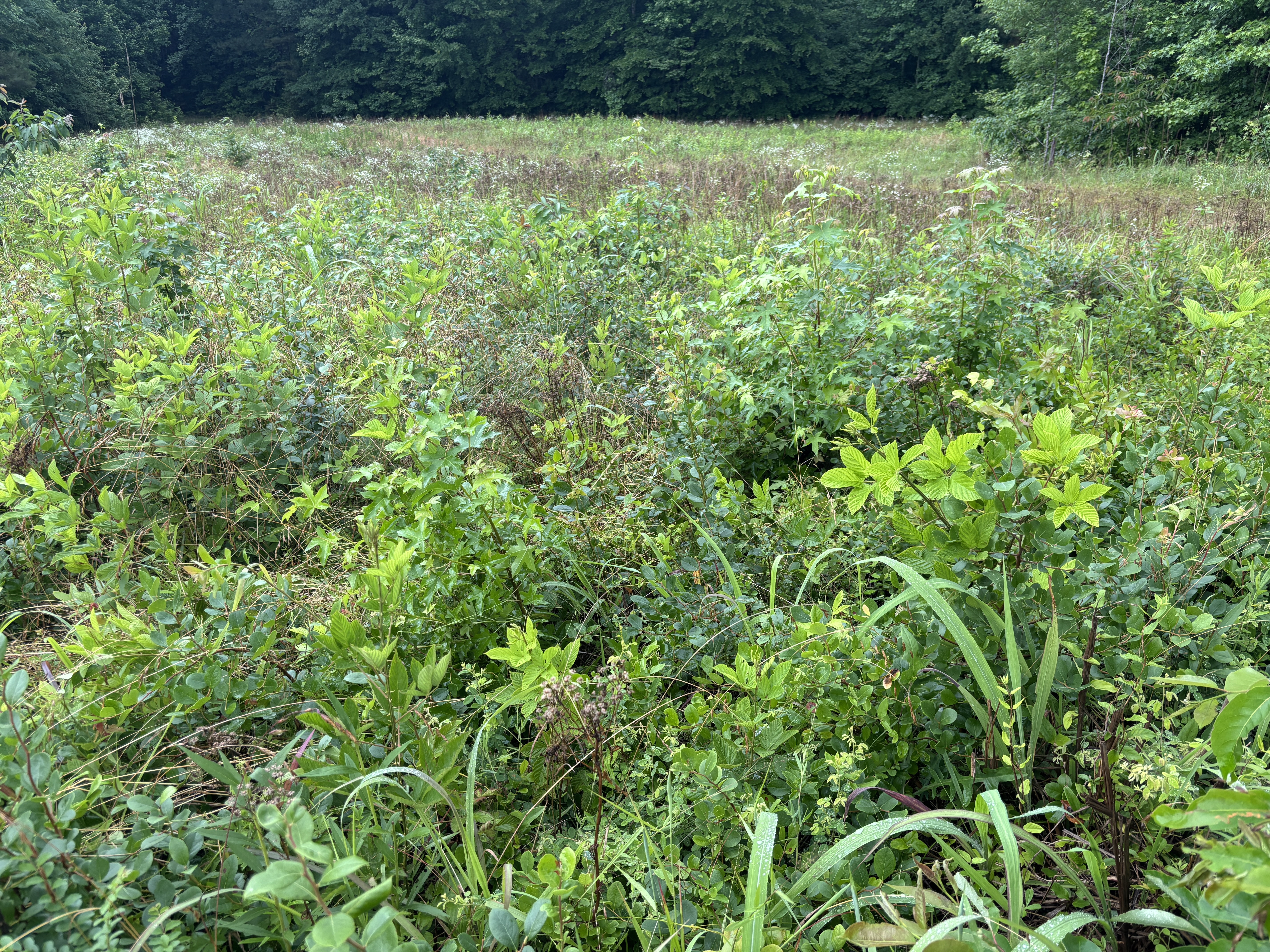
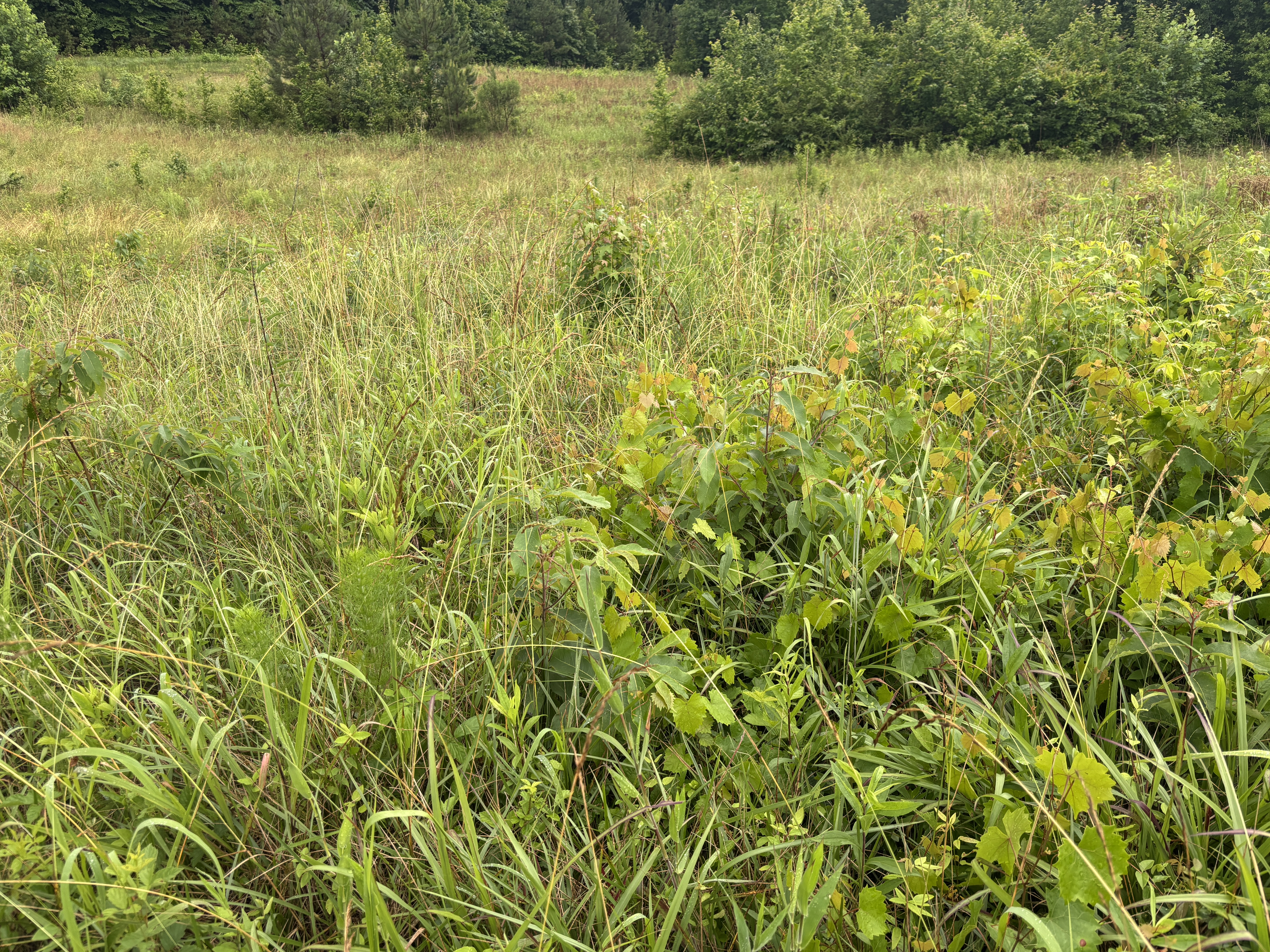
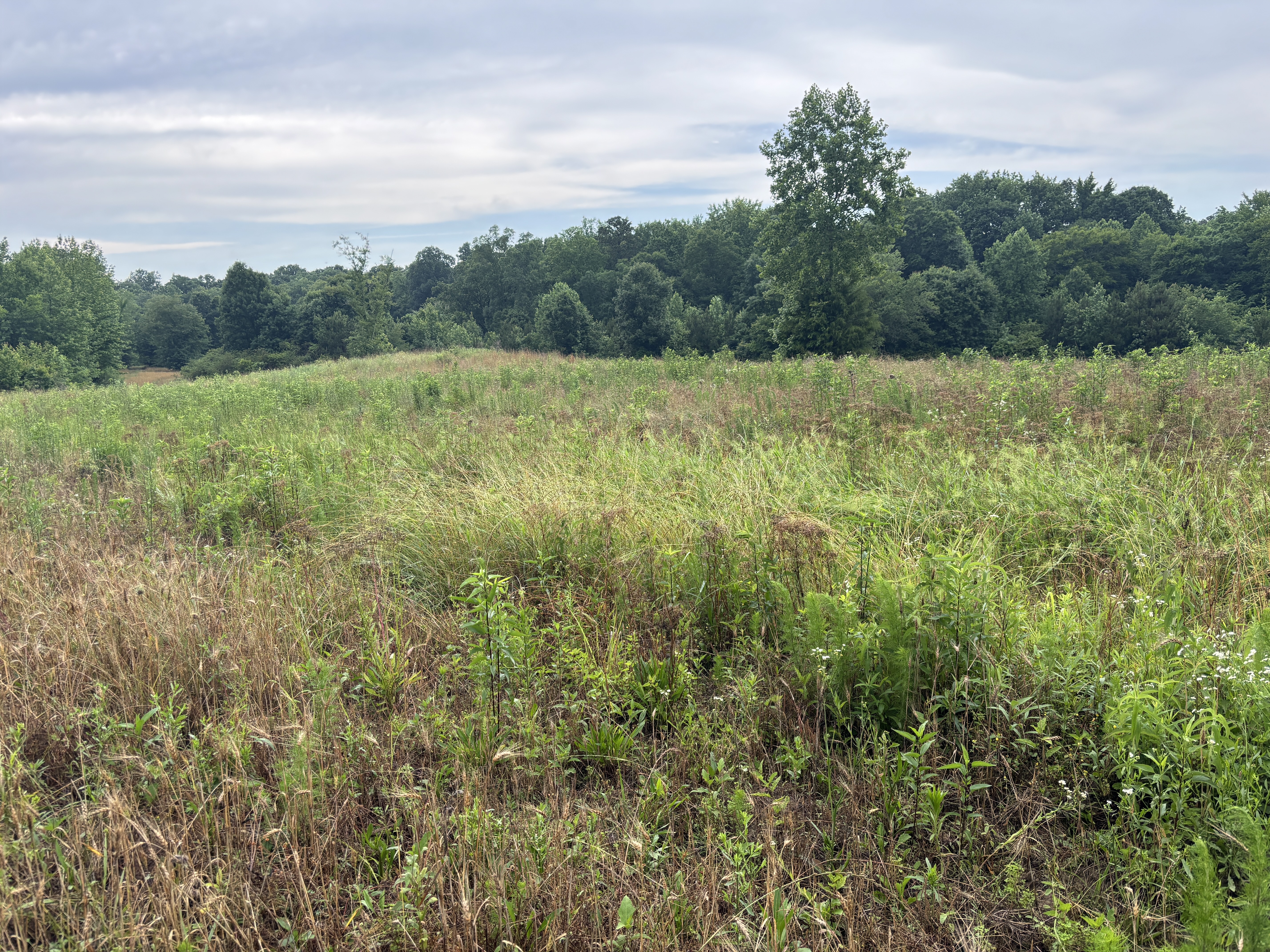
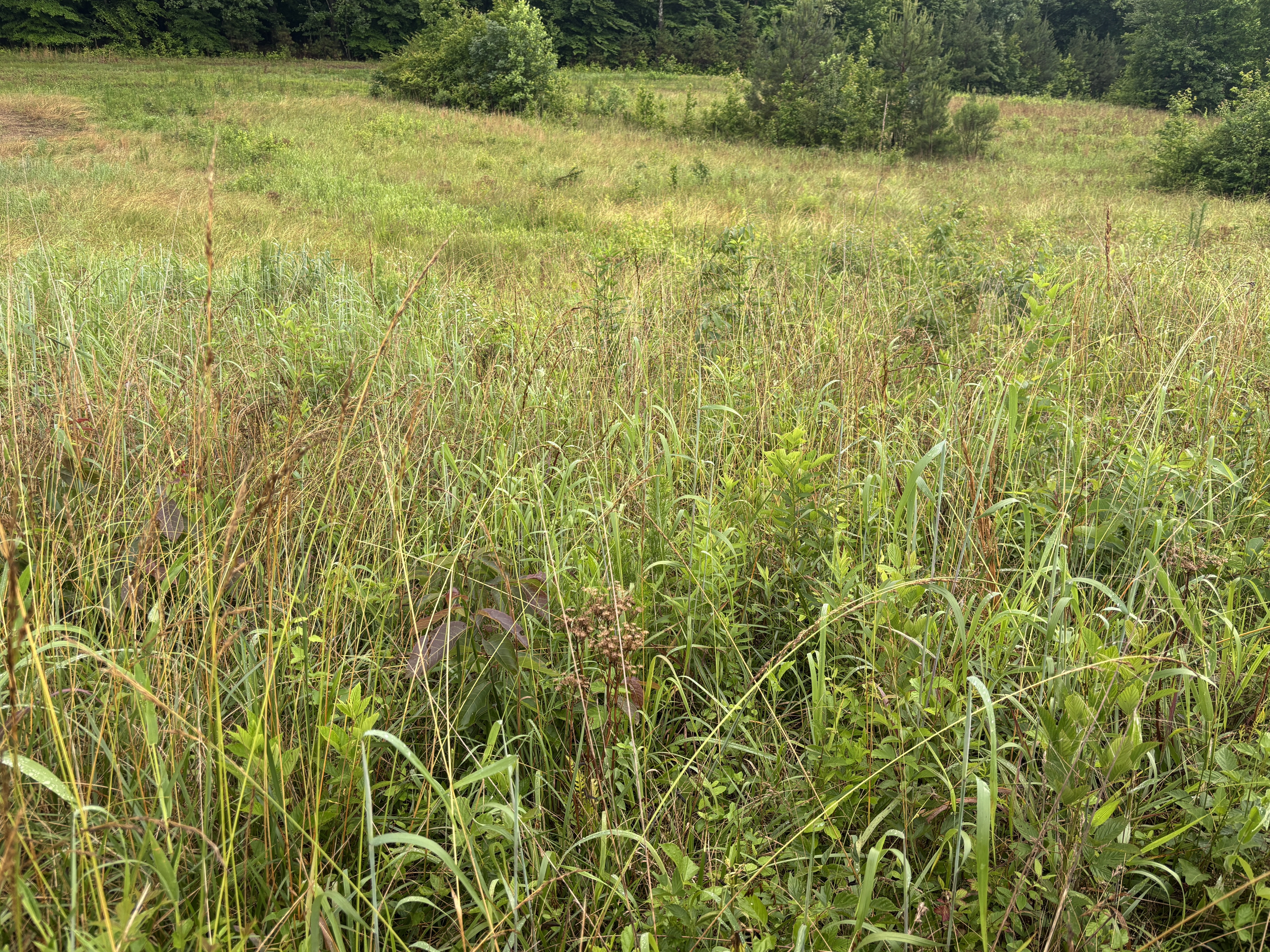
The key is maintaining a mix of native grasses, broadleaf plants (forbs), and scattered shrubs. Instead of mowing the entire field every year, disturb only portions of it through light disking, prescribed fire, or rotational mowing every 2–3 years.
This encourages valuable plants like ragweed, partridge pea, beggarweed, and blackberry, which provide food, cover, and insect habitat.
For turkeys, diverse vegetation with open ground underneath supports insect-rich brood habitat. For deer, native forbs and browse often provide higher-quality nutrition than many planted food plots.
The most productive fallow fields are those with a patchwork of vegetation heights and ages, creating year-round food, nesting cover, and escape cover for wildlife.