Japanese Stiltgrass: A Quiet but Aggressive Invader in Your Woods and Food Plots
Japanese Stiltgrass: A Quiet but Aggressive Invader in Your Woods and Food Plots
By Joyce Allison Tredaway, Ph.D.
Agronomist & Weed Scientist, Whitetail Institute
As the growing season ramps up, we start hearing a familiar concern from landowners and wildlife managers: “What is that fast-growing, thick grass taking over my woods?”
In many cases, the culprit is Japanese stiltgrass - a highly invasive, aggressive annual grass that is spreading rapidly across the United States and causing serious ecological impacts.
Understanding the Scope of the Problem
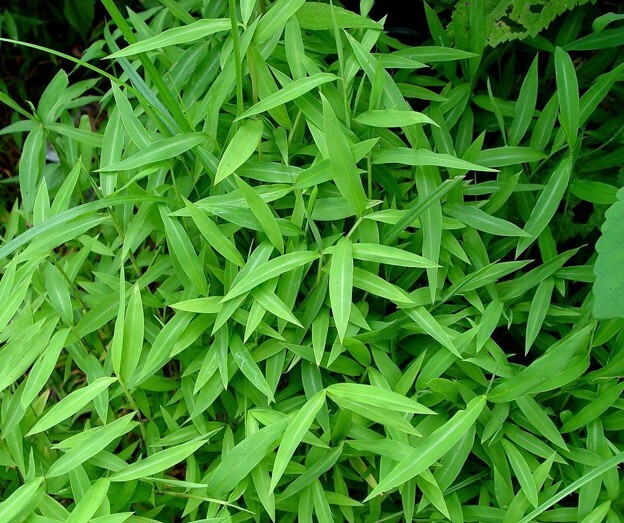
Japanese stiltgrass (Microstegium vimineum) is not just another nuisance weed - it’s one of the most damaging invasive plant species in the country.
Originally introduced accidentally into Tennessee in 1919, this species has since spread to 33 states, thriving in a wide range of environments. Its rapid expansion is largely due to two defining traits:
- Prolific seed production: Each plant can produce up to 1,000 seeds
- Long-term seed viability: Seeds can remain active in the soil for 5 years or more
This combination allows Japanese stiltgrass to quickly establish dense, sprawling colonies that outcompete native vegetation.
Where It Grows — and Why It’s So Problematic
Japanese stiltgrass is exceptionally adaptable and can thrive in both sunny and shaded environments. While it prefers moist soils and sunlight, it is also highly shade-tolerant, making it especially dangerous in forest ecosystems.
You’ll commonly find it in:
- Forest edges and understories
- Roadsides and trails
- Ditches and damp fields
- Lawns and disturbed areas
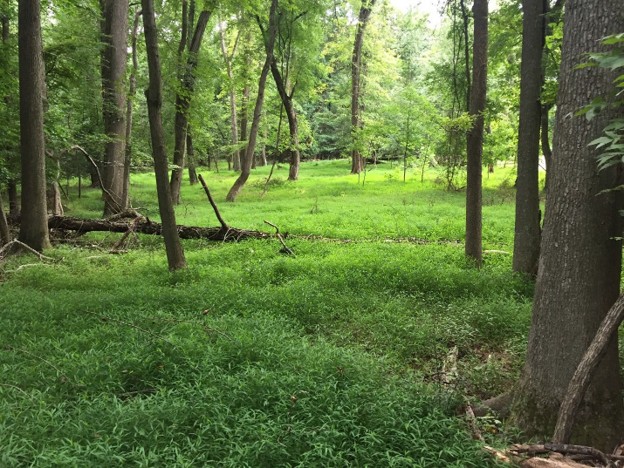
Once established, it forms thick, continuous mats of grass that native plants simply cannot compete with. Over time, this leads to the displacement of native vegetation, disrupting natural habitats and reducing biodiversity.
Why It Matters for Landowners and Hunters
For those managing land for wildlife or maintaining food plots, Japanese stiltgrass poses a serious threat.
Its aggressive growth can:
- Crowd out desirable forage species
- Reduce the quality and productivity of food plots
- Alter habitat structure needed for wildlife
Ignoring it - even for a single season - can allow it to gain a foothold that becomes much harder to control later.
Effective Control Strategies
Recommended Herbicide Approach
Japanese stiltgrass can be effectively controlled in broadleaf forage systems using Arrest Max.
Application guidelines:
- Apply at 16 fluid ounces per acre
- Treat when the grass is 4–6 inches tall
- Always include a crop oil concentrate (such as SureFire) in the mix
Follow-Up is Critical
Because of its persistent seed bank, a single application is rarely enough.
- Plan for two applications
- Apply the second treatment about 4 weeks later to address regrowth or new seedlings
- Regularly monitor treated areas - this is essential for long-term success
You should also:
- Target younger, smaller grasses for best results
- Allow 2–3 weeks for visible, whole-plant symptoms after treatment
A Long-Term Commitment
Managing Japanese stiltgrass is not a one-time fix - it requires consistent monitoring and follow-up.
In heavily infested forested areas, you may already see where this invasive grass has replaced native plant communities entirely. Preventing that outcome on your own land begins with vigilance and early intervention.
Final Thoughts
Japanese stiltgrass may seem harmless at first glance, but don’t be fooled—its ability to spread quickly, thrive in a variety of conditions, and outcompete native plants makes it a formidable adversary.
By understanding how it grows and implementing a proactive control strategy, you can protect your land, your food plots, and the habitats wildlife depend on.