Common Ragweed: A “Common” Nightmare in Food Plots
Common Ragweed: A “Common” Nightmare in Food Plots
By W. Carroll Johnson, PhD
Agronomist & Weed Scientist, Whitetail Institute
For many food plotters—especially across the northeastern United States—common ragweed has earned its reputation as one of the most frustrating and persistent weeds. While we don’t maintain a formal ranking, feedback from our technical support team makes one thing clear: common ragweed consistently rises to the top of the “most troublesome” list.
Why Ragweed Is So Problematic
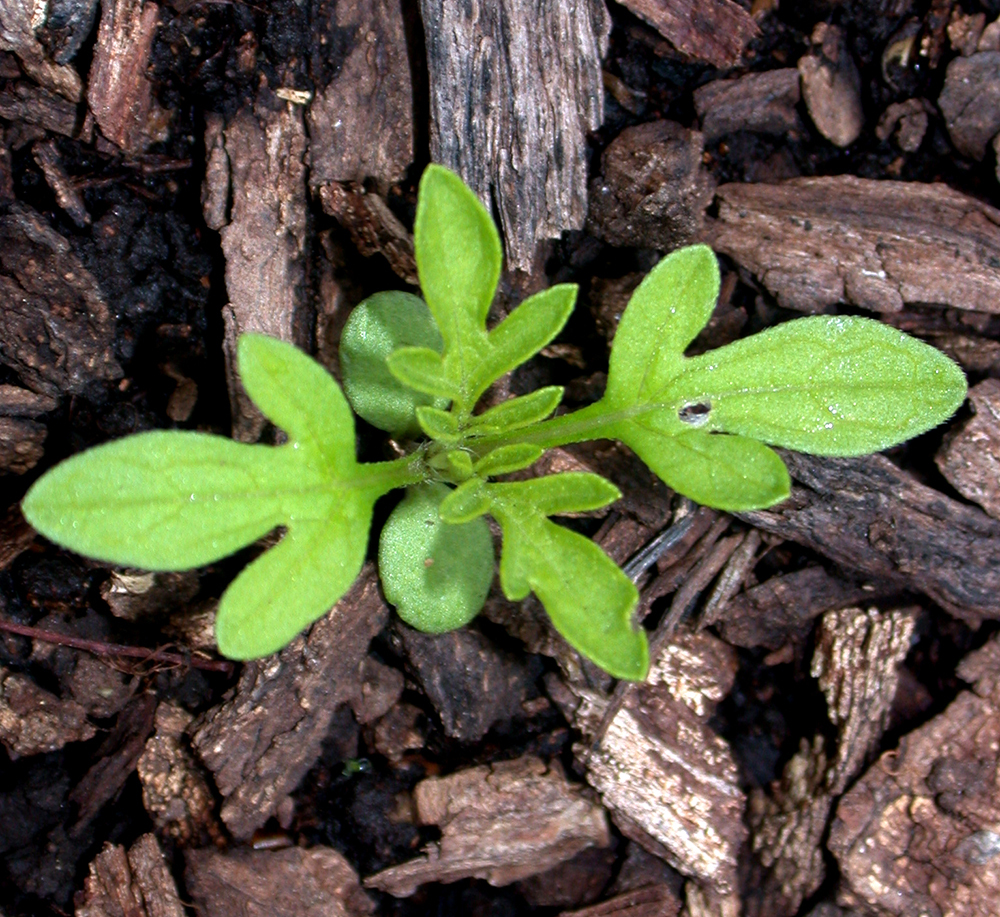
Common ragweed is a warm-season annual that begins as a tiny, almost inconspicuous seedling. But don’t let its early stage fool you. Under favorable conditions, it can quickly grow into a towering plant—often exceeding 5 feet in height.
As it matures, ragweed develops:
- A dense leaf canopy that blocks sunlight
- A deep taproot system that accesses moisture beyond the reach of most forage plants
These traits make it a fierce competitor in food plots. The thick canopy shades out lower-growing forages like clover, significantly reducing photosynthesis and weakening plant health. Meanwhile, its deep roots pull water from soil layers that shallow-rooted species simply cannot reach, intensifying competition during dry periods.
The Key to Control: Timing Is Everything
The good news? Common ragweed can be controlled effectively—but only if you act early.
A combination of Slay Maxx and Sure-Fire Crop Oil Plus provides excellent control, but only when ragweed is less than 2 inches tall. Once it grows beyond this stage, your options become extremely limited.
“Boots on the ground” in early summer.
Regular scouting is essential. Knowing how to identify ragweed at the seedling stage gives you a critical window of opportunity. Look for:
- Deeply lobed leaves, a key identifying characteristic
- Small, delicate plants before rapid vertical growth begins
Having herbicide on hand and being ready to spray quickly can make the difference between a clean plot and a season-long battle.
What If You Miss the Window?
Unfortunately, many food plotters don’t catch ragweed early enough. By August, it’s not uncommon to see plots overtaken by large, mature plants.
At this stage:
- Herbicides are no longer effective for selective control
- Even products used in commercial agriculture cannot reliably eliminate large ragweed
The only remaining option is repeated mowing—and even that is a last-resort strategy. The goal isn’t full control, but suppression:
- Reduce canopy height
- Allow sunlight to reach clover or other low-growing forages
- Help desirable plants survive until the first frost kills the ragweed
Looking Ahead: Be Ready Next Season
If ragweed got the upper hand this year, don’t let it happen again. Use the experience as a lesson for next season:
- Scout early and often
- Learn to recognize seedlings
- Keep herbicide ready
- Act quickly when plants are small
Early intervention is the difference between easy control and season-long frustration.
Final Thought
Common ragweed may be “common” by name, but its impact on food plots is anything but ordinary. Stay proactive, stay observant, and remember—the best defense against ragweed starts before it ever has a chance to grow.