Berseem Clover: The Early Season Ally Hiding in Your Imperial Whitetail Clover Plot
Berseem Clover: The Early Season Ally Hiding in Your Imperial Whitetail Clover Plot
W. Carroll Johnson, III, PhD
Agronomist and Weed Scientist
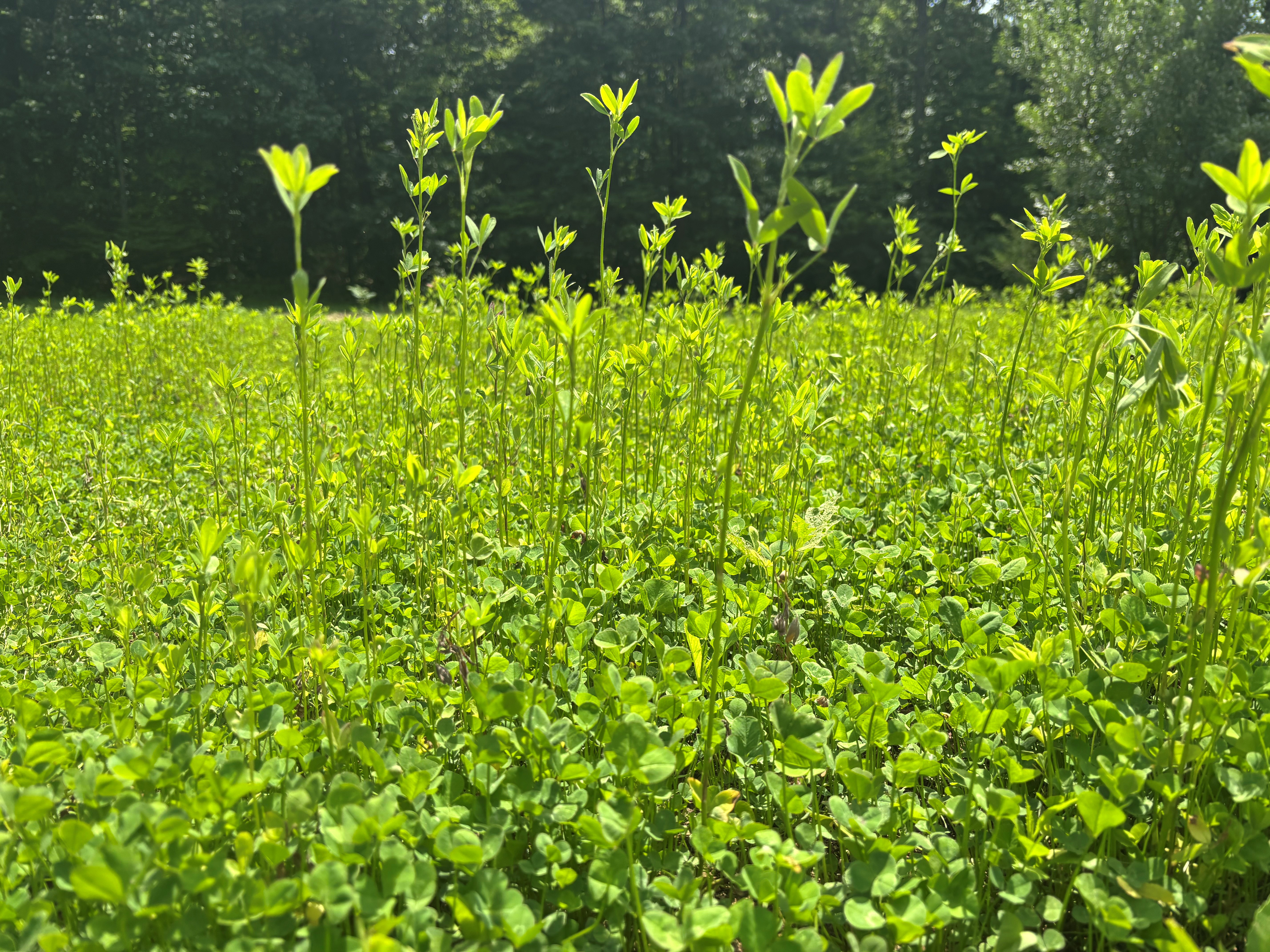
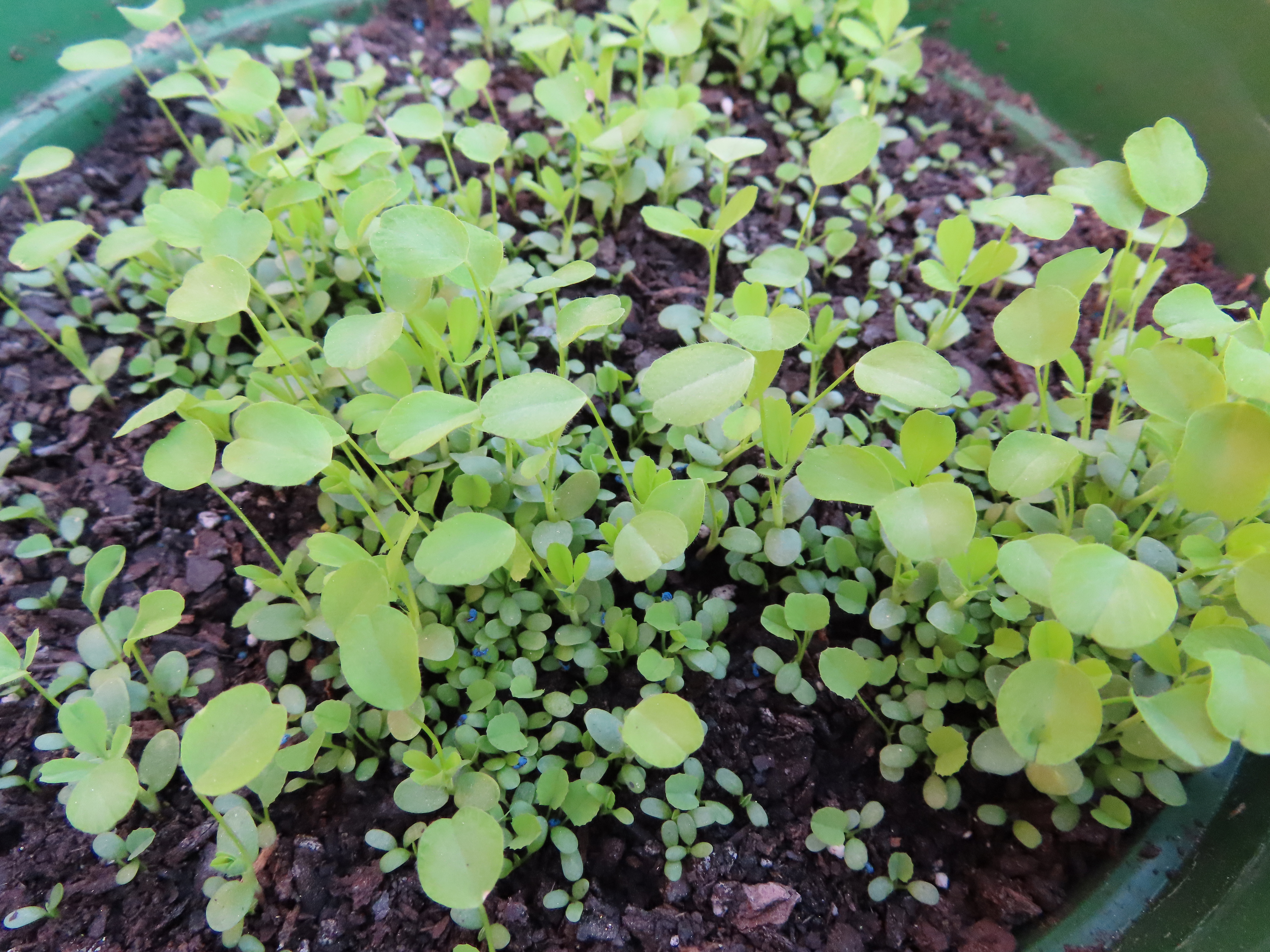
If you’ve ever planted Imperial Whitetail Clover and then walked your plot a couple of weeks later only to spot a taller, spindly plant rising above your young clover seedlings, you’re not alone. A few times each year, Whitetail Institute hears from customers worried they’re seeing a weed invasion.
Good news: in many cases, that “mystery plant” isn’t a weed at all. It’s berseem clover—and it’s supposed to be there.
What Berseem Clover Is and Why It’s in the Bag
Imperial Whitetail Clover is a carefully engineered blend built around two proprietary ladino white clover varieties—perennials bred specifically for whitetail deer. But it also includes a different species: berseem clover, a fast growing annual.
Here’s the design:
- Ladino white clover — perennial, long lived, becomes the dominant forage
- Berseem clover — annual, quick to emerge, quick to grow, fades out naturally
This isn’t filler. It’s strategy.
Why Berseem Clover Matters in the First 60–90 Days
Berseem clover plays a critical role during the establishment phase of a new food plot:
- Emerges sooner than ladino
- Grows taller and faster, creating early forage
- Absorbs heavy deer pressure while ladino seedlings develop
- Provides nutrition immediately, long before the perennial clovers mature
Think of berseem as the “bodyguard” for your young ladino clover. It steps in early, takes the hits, feeds deer, and then gracefully bows out once the perennial clovers are ready to take over.
“It Looks Like a Weed—Should I Spray It?”
That’s the most common question we receive—and it makes sense. Berseem clover stands 3–6 inches taller than the ladino seedlings and has a different growth habit. To an untrained eye, it can look like an intruder.
But in a newly planted Imperial Whitetail Clover plot, tall seedlings among shorter ones are often exactly what you want to see.
If you’re unsure, Whitetail Institute is always happy to confirm what you’re seeing.
What Happens Next?
After a few months:
- Ladino white clover becomes fully established
- Berseem naturally declines
- The plot transitions into a dense, perennial stand built for years of attraction and nutrition
By fall, most food plotters never even notice the berseem was there because it has already done its job.
The Bottom Line
If you plant Imperial Whitetail Clover and notice a taller, spindly plant early on, don’t panic. That’s likely berseem clover, intentionally included to strengthen your plot during its most vulnerable stage.
It’s not a weed. It’s part of the plan. And it’s one more reason Imperial Whitetail Clover remains the gold standard for serious deer managers.
If you ever have doubts about what you’re seeing in your plot, Whitetail Institute is always ready to help.