How Do I Control Thistles in My Food Plots?
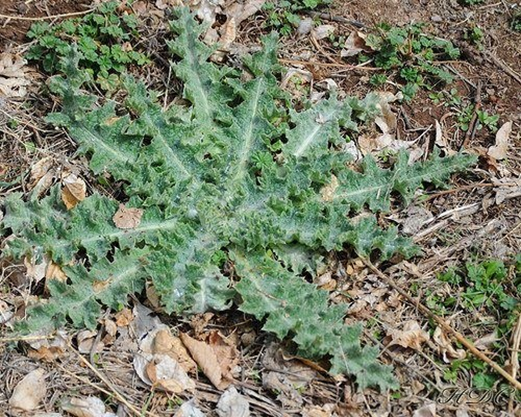
Thistles are one of the most stubborn weeds you’ll encounter in food plots. With dozens of species—annual, biennial, or perennial—they spread via wind-dispersed seeds or robust rhizomes, making them extremely difficult to manage. Their resilience ensures thistles keep coming back season after season.
Why Herbicides Fall Short
Unfortunately, none of the herbicides labeled for food plots effectively control thistles. Even broadleaf herbicides like Slay Maxx (formerly Slay) won’t touch them. Arrest Maxx, designed strictly for grass control, is also ineffective. This leaves land managers with limited options and no “magic bullet” for selective thistle control in clover or other forage crops.
Mowing: Suppression, Not Control
Mowing can help prevent thistles from producing seed, but it’s not true control. At best, mowing suppresses growth temporarily. To actually kill thistles, herbicides must be used.
Spot Treatment with Non-Selective Herbicides
Individual thistle plants can be treated with non-selective herbicides such as glyphosate, 2,4-D, and/or triclopyr:
- Use a backpack sprayer with an adjustable nozzle set to spray a stream.
- Target only the thistle plants, as these herbicides will also kill clover or any other forage they touch.
- The most effective timing is right before thistles begin to bolt—when energy is moving upward but before seed heads form.
This method is precise but labor-intensive. Whether it’s practical depends on how dense your thistle population is.
When Thistles Take Over: The Fallow Strategy
- Keep the site fallow all summer. Don’t plant crops—let the weeds grow.
- Treat with glyphosate, 2,4-D, and/or triclopyr multiple times if needed. These systemic herbicides move through the plant’s vascular system, reaching the rootstock and killing the entire plant.
- Replant in early fall with clover, chicory, alfalfa, brassicas, oats, or other forages.
- Wait two weeks between spraying and planting to ensure safe establishment of new forages.
This strategy is disruptive and time-consuming, but it’s often the only way to truly control perennial thistles in food plots.
Key Takeaways
- Thistles are extremely difficult to control due to their perennial root systems.
- No selective herbicide options exist for clover or food plots.
- Spot treatment with non-selective herbicides is effective but labor-intensive.
- A fallow-and-spray approach may be necessary for heavy infestations.
- Timing is critical: treat thistles before they bolt for maximum effectiveness.
Bottom line: thistle control in food plots is tough, but with careful timing, precision spraying, and sometimes drastic measures, you can reclaim your plots and set the stage for healthier forage growth.