Herbicides 101: The Finer Points of Using Arrest Maxx
Herbicides 101: The Finer Points of Using Arrest Maxx®
By Joyce Allison Tredaway, Ph.D., Whitetail Institute of North America
As spring planting approaches, it’s smart to get your Arrest Maxx® ordered and on the shelf before weeds begin to pop. One of the most common questions we hear is, “What exactly does Arrest Maxx control, and when should I spray it for best results?”
Below, we break down the key points every food plotter should know before pulling the sprayer out of the barn.
What Arrest Maxx® Is Designed to Do
Arrest Maxx® is a grass selective herbicide—meaning it targets unwanted grasses without harming your broadleaf forages. That makes it a perfect fit for many Whitetail Institute plantings.
Crops That Are Fully Tolerant
You can safely spray Arrest Maxx® over:
- Clover
- Alfalfa
- Brassicas
- Peas
- Jointvetch
- Soybeans
- Chicory
These crops tolerate the herbicide at any stage of growth, giving you flexibility throughout the season.
What Arrest Maxx® Does Not Control
Arrest Maxx® is strictly for grass control. It will not control:
- Broadleaf weeds
- Nutsedge
- Rushes
If those weeds are part of your problem, you’ll need a different strategy—Arrest Maxx® isn’t built for them.
Why Surefire® Adjuvant Is Non‑Negotiable
Every application of Arrest Maxx® must include Surefire® herbicide adjuvant. It plays two critical roles:
- Improves coverage – helping droplets spread and stick to the leaf surface.
- Improves penetration – helping the herbicide move through the leaf cuticle and into the plant’s vascular system.
Without Surefire®, you simply won’t get the performance Arrest Maxx® is designed to deliver.
How Arrest Maxx® Works
Arrest Maxx® is absorbed only through the foliage of emerged, actively growing grasses.
Important implications:
- It does not work on dormant grasses.
- It does not provide soil residual control.
- It does not prevent new grasses from emerging.
Think of it as a precision tool: it controls what’s up and growing, not what’s still in the seedbank.
Application Rates
| Grass Type | Rate per Acre |
|---|---|
| Annual grasses | 6–10 fl oz |
| Perennial grasses | 12–16 fl oz |
| Season maximum | 32 fl oz total per acre |
Staying within these ranges ensures both safety and effectiveness.
How to Tell If Arrest Maxx® Is Working
Arrest Maxx® works systemically, so visible symptoms take time—usually 2 to 3 weeks.
Here’s a simple field test:
- About three weeks after spraying, pull an unfolded leaf bud from a treated grass plant.
- If the bud slides out easily and the base is brown, the herbicide is working.
That browning is where Arrest Maxx® accumulates and begins shutting the plant down.
From there, the grass will gradually turn yellowish to purplish, then brown. Different grass species respond at different speeds—that’s completely normal for this herbicide family.
Tank Mixing
Arrest Maxx® and Slay Maxx® can be safely tank mixed when you need both grass and broadleaf control in the same pass.
The Bottom Line
Arrest Maxx® is a powerful, crop‑safe tool for managing grasses in your food plots—as long as it’s used correctly. Order early, spray when grasses are actively growing, always pair it with Surefire®, and give it time to work.
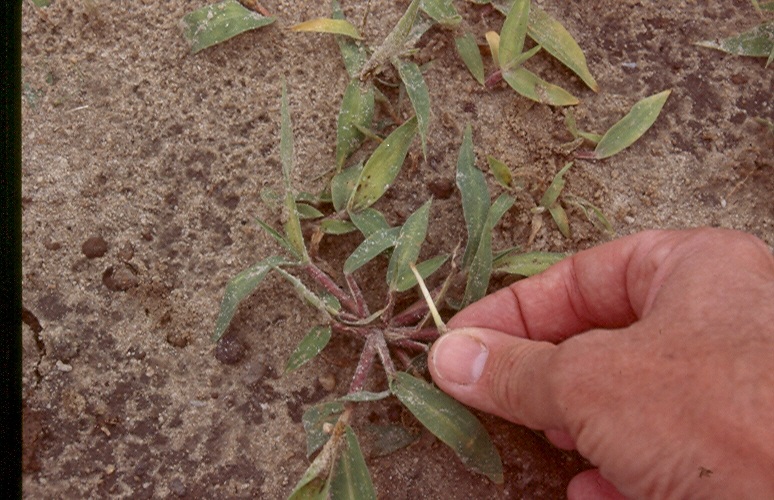
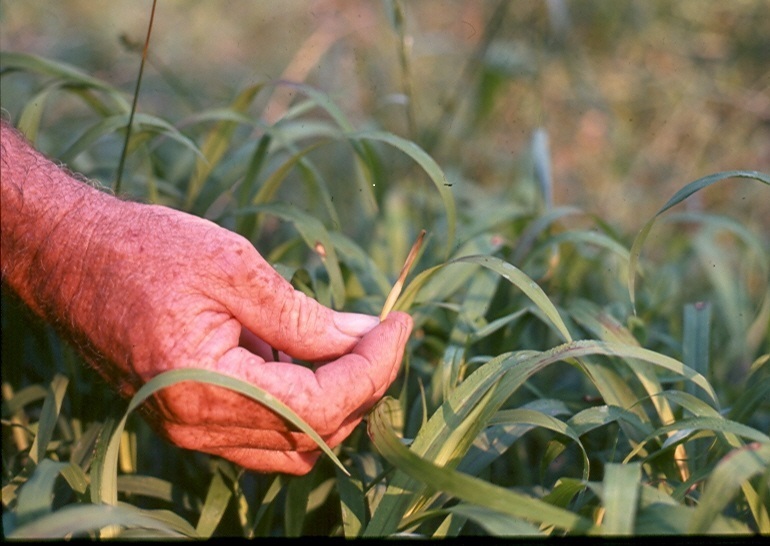
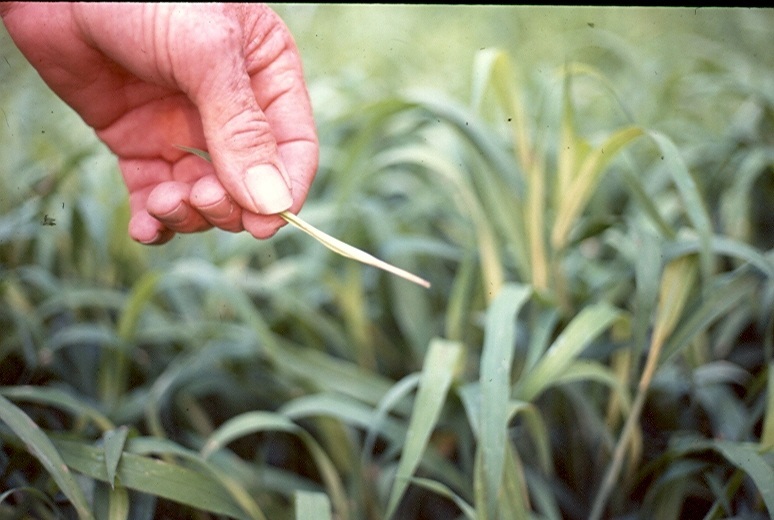
Dead growing point in grasses when Arrest Maxx® has been applied. This symptom may take 2 to 3 weeks before becoming obvious.