Early Season Success, 365 Days of Forage, and a Healthier Herd
Early Season Success, 365 Days of Forage, and a Healthier Herd
The sun was beating down, there was barely a breath of wind, and the humidity made the air so thick you could cut it with a knife. A storm was coming… and it was food plot time!
The unwanted growth had been sprayed weeks in advance, and it was time to turn some dirt. I was able to turn five small, quarter-acre to acre-and-a-half plots that day before the rain arrived. Once the seed was in the ground, it was time to wait for nature to do its part.
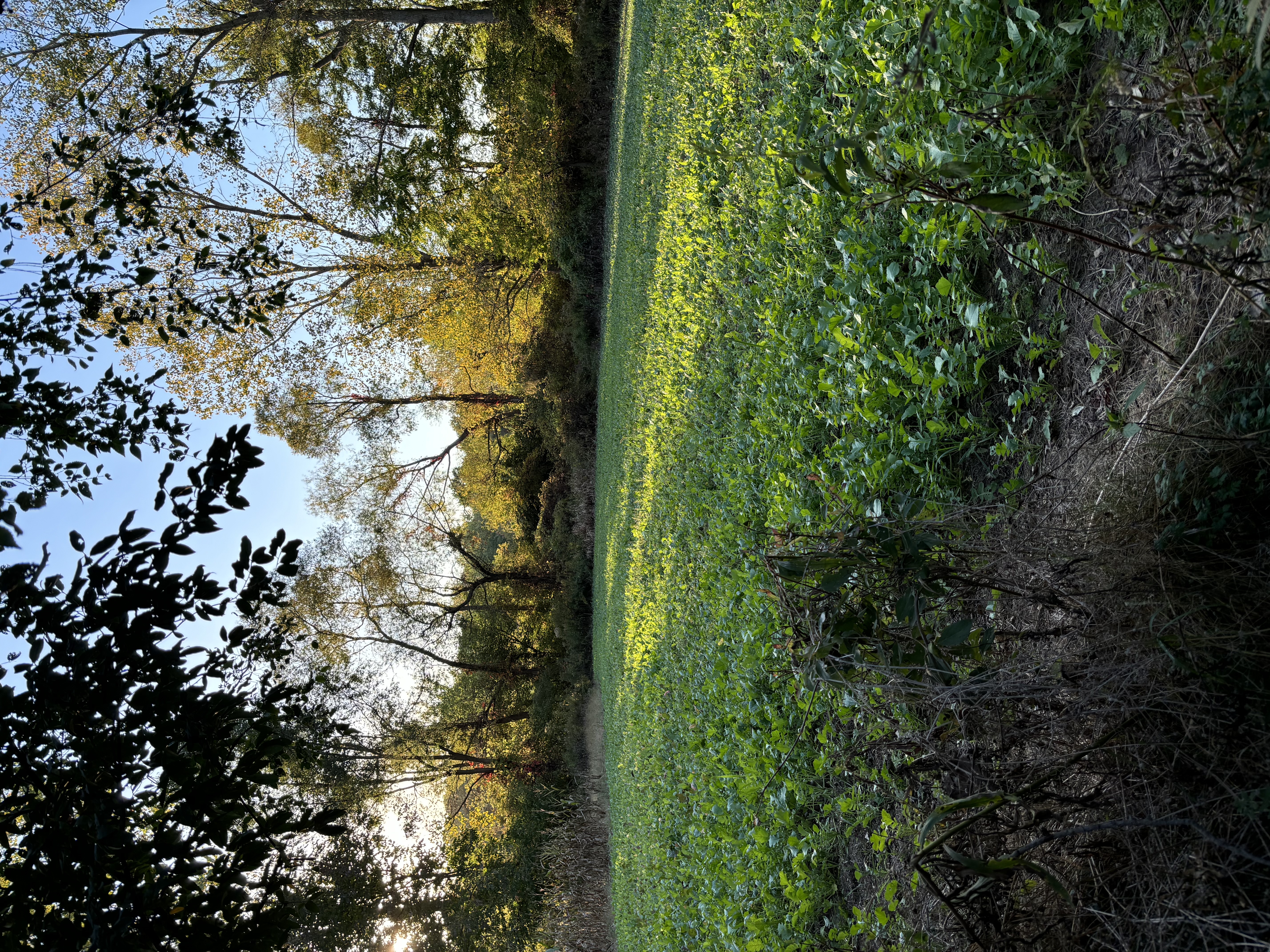
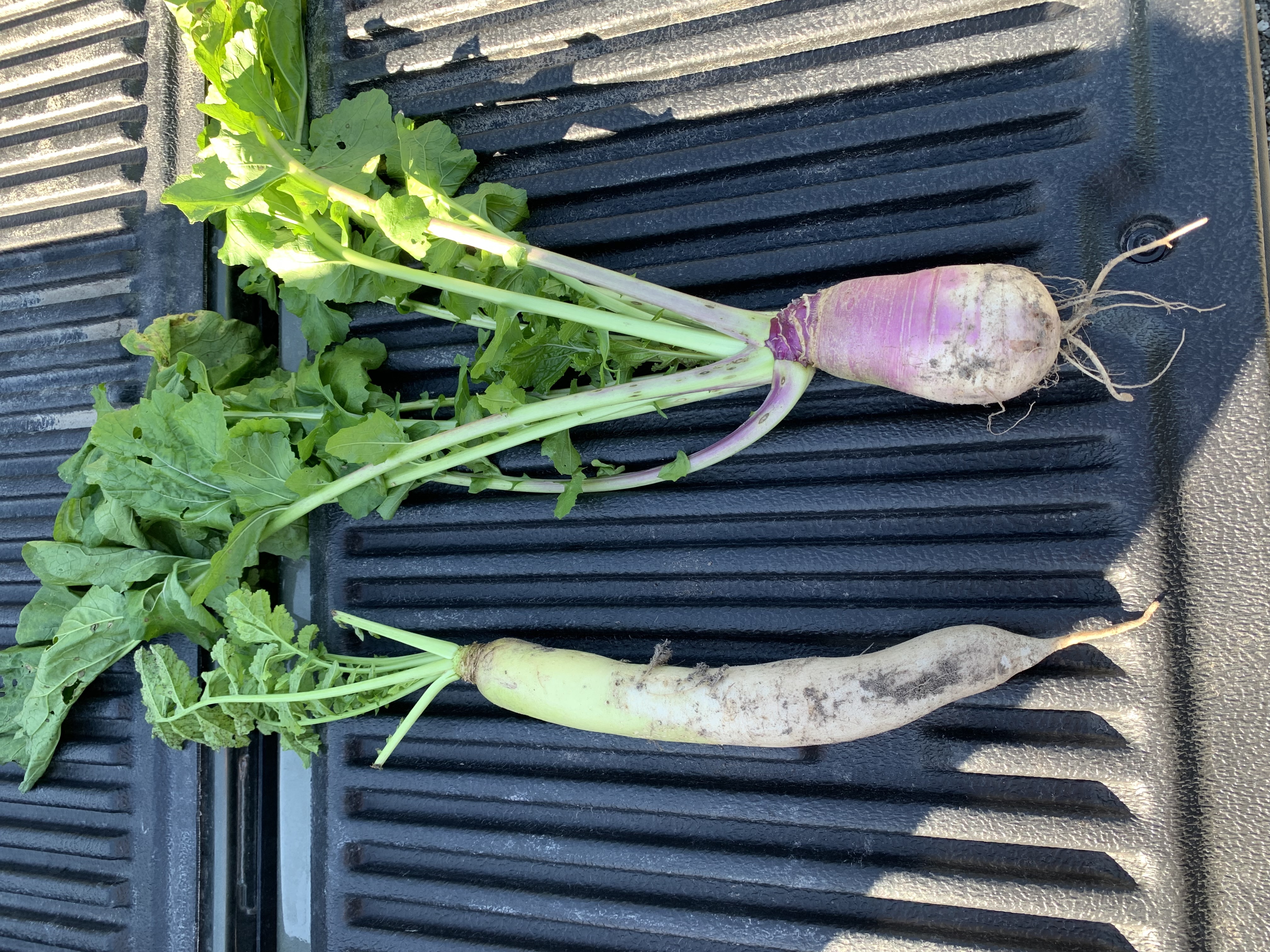
Fast forward to mid-September and the local ag crops comprised of corn and soybeans were beginning to die out, turning to their standard yellow and brown. The best part about the Whitetail Institute Beets and Greens, Ravish Radish, “Chic” Magnet, and Tall Tine Tubers which I had planted in August was that they provided my local herds with a quality green food source they could easily transition to without leaving their summer haunts as the row crops lost nutritional value.
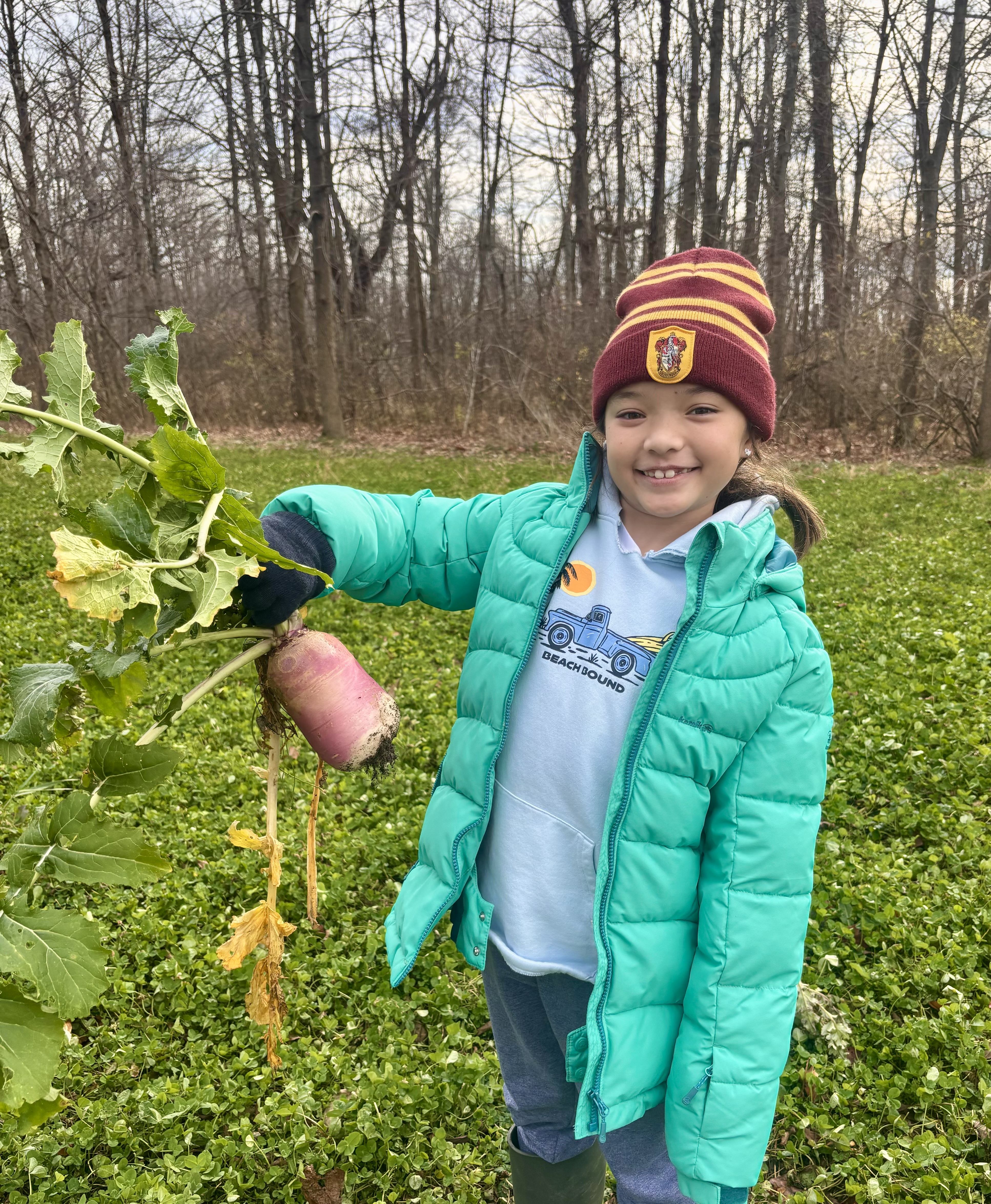
It was my 9-year-old daughter’s first sit of the season. We watched as the sun began to sink low in the sky and slowly disappear below the distant horizon. Glancing towards the nearest tree line, my daughter noticed movement and suddenly whispered “BUCK! Big one!!!”
We sat motionless as the largest whitetail my daughter had ever encountered made his way in. He slowly walked over and drank from our water source we installed years ago. Eventually, he turned and sauntered into the center of our Beets and Greens and Ravish Radish plot adjacent to a dying bean field and began feeding.
A well-placed bolt and short 60-yard track later, my young daughter had her hands on her largest buck to date.
My daughter’s successful sit was a perfect example of what we strive for each year—365 days of quality forage for our local whitetails and other game.
When it comes to your plots, for optimal results and for first-time plantings, you will find the best results from bringing in some type of equipment and turning the dirt. The best part about perennial plots such as Imperial Clover, Fusion, Alfa-Rack, and Extreme (to name a few) are their longevity. Most perennial plots will last two to five years on their own and can have life spans significantly increased with frost seeding and proper care/herbicide application.
Again, it should be noted that a properly prepared seedbed is the more productive way to go, but an excellent option for outdoorsmen with limited access routes, no heavy equipment, or lack of time is frost seeding.
For frost seeding, late February and early March is the standard across the upper Midwest for dropping seed. Daytime temps reach above the freezing mark and dip below freezing again once the sun has gone to bed. The expansion and contraction of the soil as it freezes and thaws each day will draw the seed down into the ground, creating excellent seed-to-soil contact and ultimately lead to relatively high germination rates.