50°F: The Temperature That Makes or Breaks Your Herbicide Success
50°F: The Temperature That Makes or Breaks Your Herbicide Success
By W. Carroll Johnson, III, PhD, Agronomist and Weed Scientist
When it comes to spraying herbicides in food plots, there’s one number you need to keep in mind—50°F. It may seem oddly specific, but this temperature is the line between herbicides that work and herbicides that fall flat.
Why 50°F Matters
As winter fades and early spring weeds start popping up, it’s tempting to grab the sprayer. But before you do, check the forecast. Arrest Maxx®, Slay Maxx®, and glyphosate only work when plants are actively growing.
These herbicides enter through green, living foliage and then move through the plant’s vascular system. That movement is what ultimately kills the weed.
Here’s the catch: Cool-season weeds may look green, but if temperatures are too low, they’re not truly growing. When a plant is cold-stressed or dormant:
- It isn’t producing new tissue
- It isn’t moving nutrients internally
- It cannot move herbicides through its system
In short, if the plant isn’t growing, the herbicide isn’t working.
The 50°F Rule
For Arrest Maxx®, Slay Maxx®, and glyphosate to perform:
- The daily high temperature must reach at least 50°F
- It must stay at or above 50°F for 10 hours
- This needs to happen for two consecutive days before spraying
This short warming trend gives weeds time to “wake up” and resume active growth, making them receptive to herbicide.
Expect Slower Results in Cool Weather
Even when conditions meet the 50°F requirement, herbicide activity will still be slower than it is in warm weather. Symptoms may take longer to show—so patience is key.
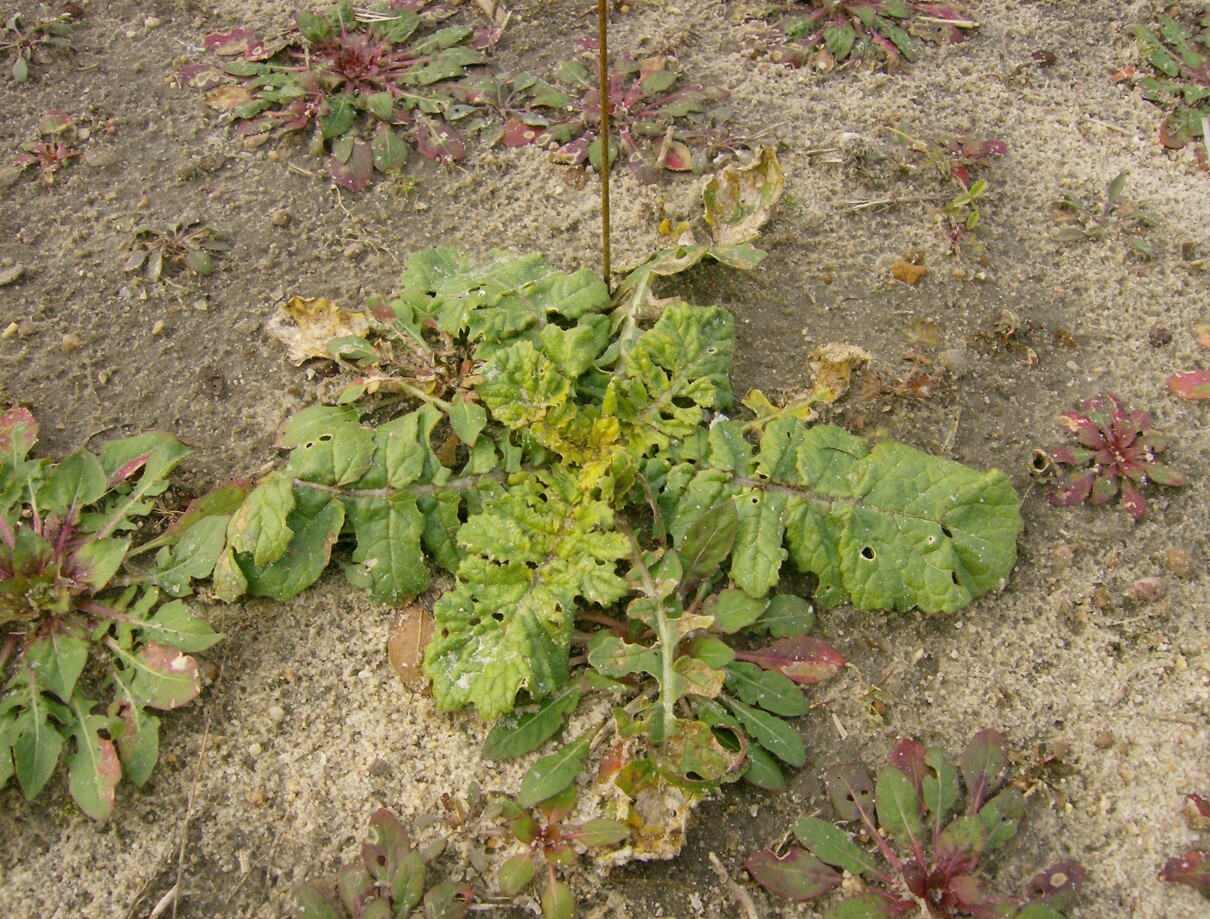
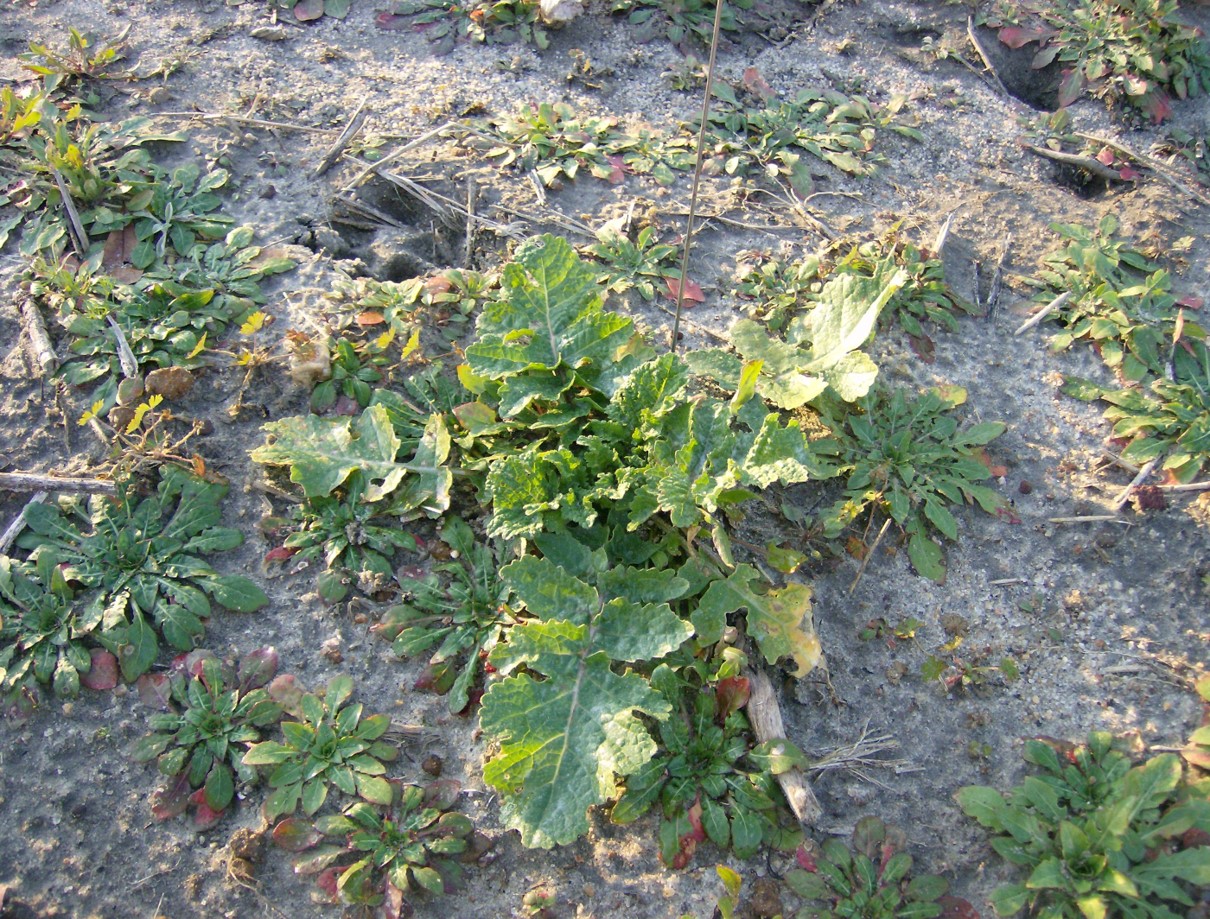
A Real‑World Example: Wild Radish
Wild radish is a cool‑season weed that Slay Maxx® controls very well. In one example:
- A plant was sprayed in January during a warm spell when temps exceeded 50°F for several days
- Ten days later, the plant showed early yellowing—an initial symptom of Slay Maxx®
- Because it was winter, the symptoms developed slowly
- The plant was ultimately controlled, but progress was noticeably slower than it would be in warm-season conditions
Bottom Line
If you want your herbicides to work, wait for 50°F. Spraying too early wastes product, time, and effort. But with the right temperature window, you’ll get the consistent, effective weed control your food plots depend on.